What to Know
- UPS no-label shipping replaces the printed label with a scannable barcode generated at time of purchase.
- All shipment data, including tracking number, service level, and routing, transfers intact.
- There are 5,000+ UPS Store locations in the U.S. that support barcode drop-off.
What UPS No-Label Shipping Actually Is
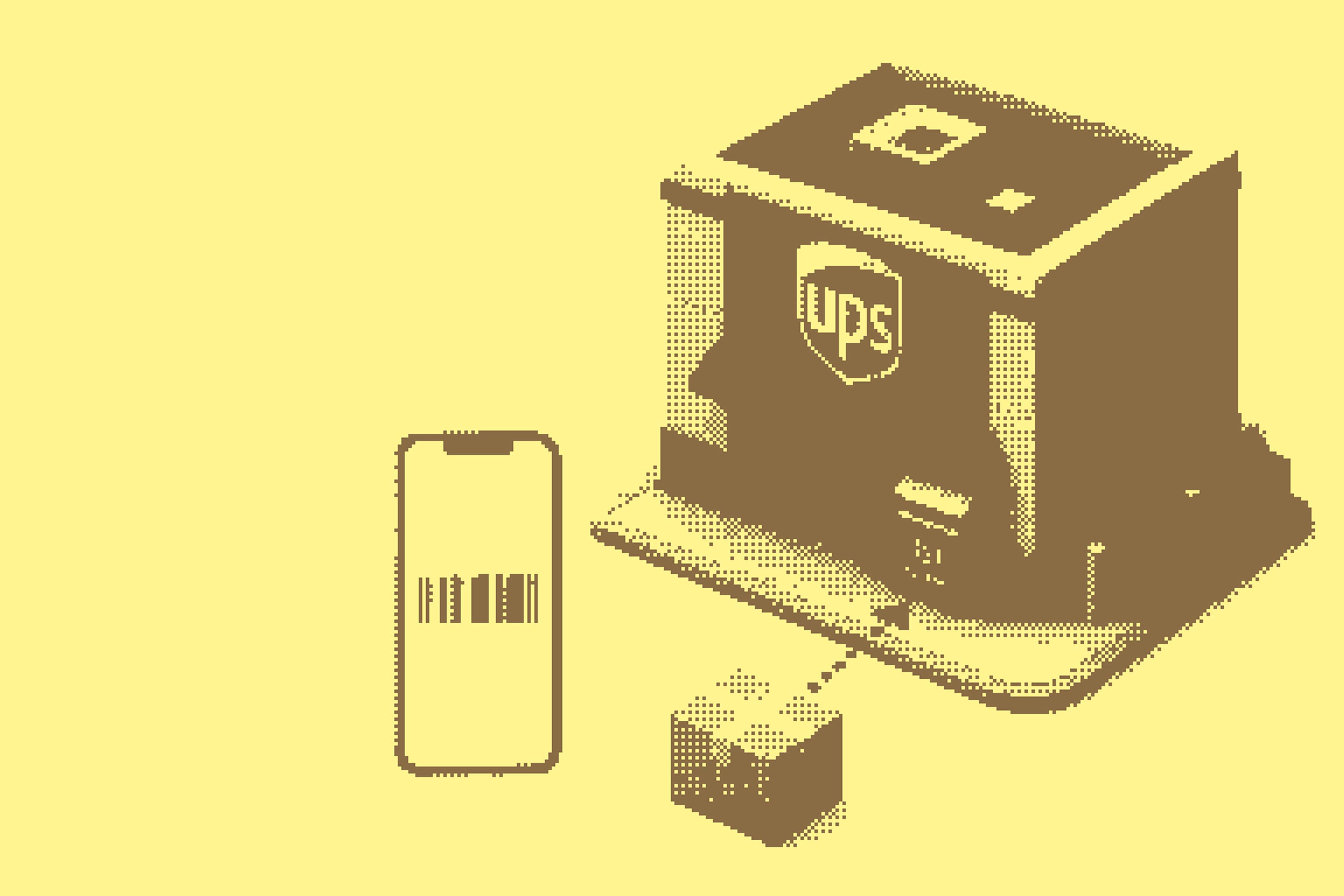
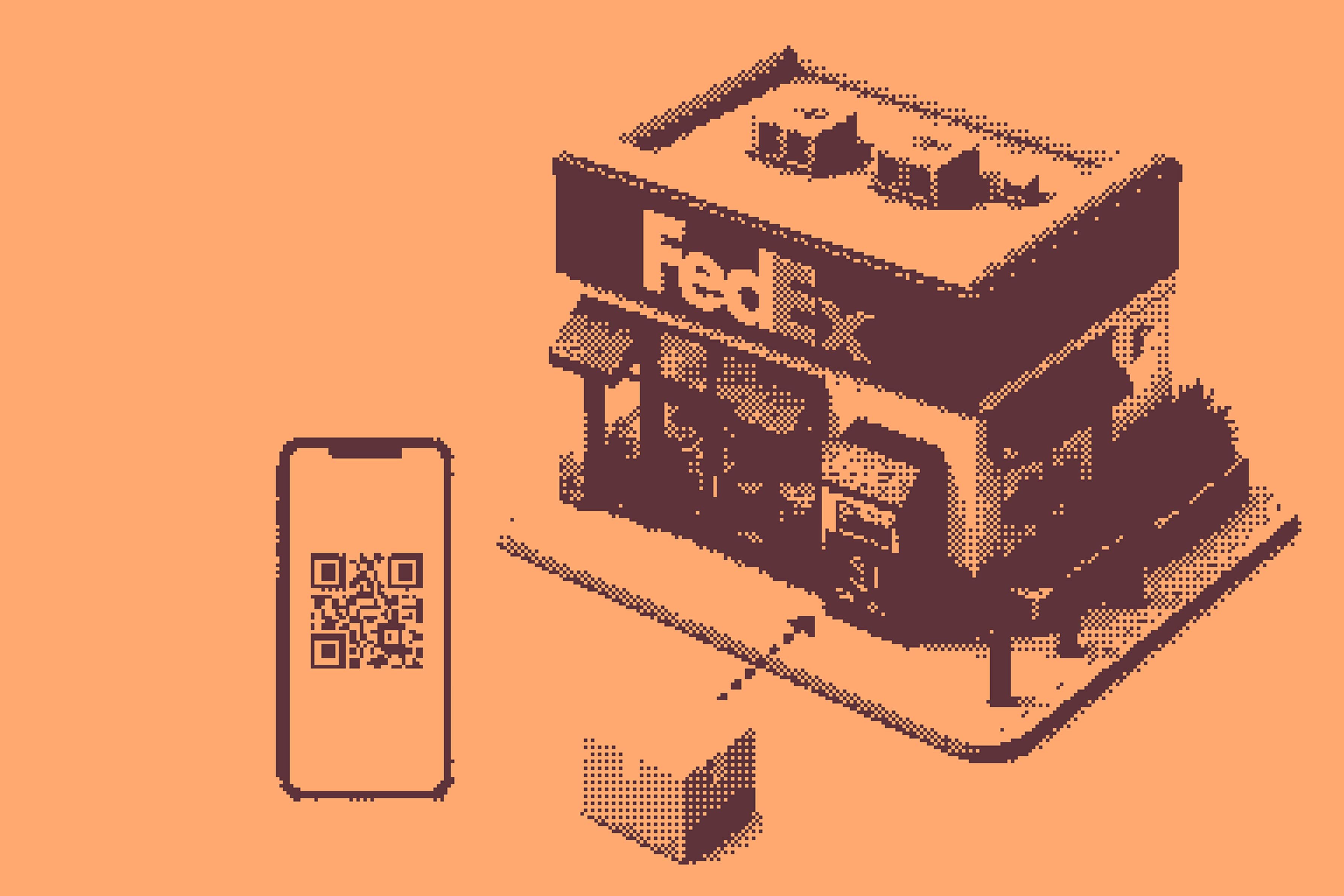
It's simple: UPS lets you buy postage and generate a barcode instead of a label. The barcode lives on your phone or mobile device, and it contains all the same data as a physical label: origin, destination, weight, service level, tracking number. Nothing is lost.
When you arrive at any UPS Store location, the clerk scans it, prints the label in-store, and accepts the package. The shipment enters UPS's system the same way it would with any standard drop-off.
The distinction that matters operationally is where the label gets printed. Moving that step to the UPS Store removes the equipment dependency entirely on your end.
For multi-location retail, distributed 3PLs, and brands managing returns across a fragmented footprint, that distinction matters. You're not losing functionality. You're moving it to where it makes operational sense.
Your Workflow, Unchanged
Soapbox now supports UPS no-label shipping natively. The process only differs from standard label generation by one step.
- Build the shipment. Enter origin, destination, weight, and service level. Soapbox rate shops the shipment across your full carrier mix in real time.
- Pick your preferred service. Ground, expedited, or any service level tier you have with UPS. Soapbox displays the rate and service matched side-by-side.
- Choose Mobile Barcode at label generation. Instead of sending a label to your printer queue, Soapbox generates a mobile barcode.
- Drop at UPS. Any UPS Store location scans the barcode, prints the label in-store, and the shipment is live in your tracking dashboard and theirs.
Everything else about your operation stays the same. Routing rules still apply. SLAs still govern carrier selection. The only thing that changes is you no longer need a printer at the drop-off point.
Why It Shifts The Economics
Cost containment becomes automatic. No more printer, toner, or label stock purchase. No more IT support tickets when hardware fails at a pop-up location or a store that ships occasionally. Every new fulfillment node you open carries zero incremental equipment cost for this workflow.
You can operate and ship from anywhere. Store associates and customers can drop packages at a UPS Store on the way home. Returns teams work without a back office. The constraint that required a printer at every shipping point is gone.
Carrier visibility stays unified. UPS barcode shipments appear in Soapbox alongside FedEx, USPS, and any other carrier in your mix. Same tracking data, same dashboard, no platform switching. Your ops and customer service teams see a complete picture.
Returns become frictionless. Generate a barcode and send it to the customer. They drop the package at any UPS Store. The return enters your system in real time. No manual exceptions for your team. No confusion for the customer about where to go or what to bring.
Where This Fits in a Distributed Operation
UPS no-label shipping is useful on its own. It's more useful when it's part of a broader approach to distributed fulfillment.
Running operations across multiple nodes, whether those are stores, warehouses, 3PL hubs, or returns desks, requires visibility and routing that can handle handoffs at each location. UPS no-label removes one infrastructure dependency from those handoffs. You don't need to provision hardware at every node.
When you stack this with Soapbox's automated rate shopping, rules-based routing, and order-to-carrier orchestration, you get a UPS workflow that runs from order placement to drop-off without manual intervention. That's the point: less manual work, clearer decisions, faster throughput.
FAQ: UPS No-Label Shipping
What is UPS no-label shipping?
UPS no-label shipping is a method that lets you purchase postage and generate a scannable barcode instead of printing a physical label. You bring the package to any UPS Store, the clerk scans the barcode, prints the label on-site, and accepts the shipment. All tracking and routing data transfers the same way as standard shipping.
How does UPS no-label shipping work at the drop-off location?
When you arrive at a UPS Store, a clerk scans the barcode on your phone or a printed confirmation. The store's system reads the shipment data from the barcode, prints the label in-store, and accepts the package into the UPS network. The shipment enters the carrier system the same way any drop-off does.
Do I need any special equipment for UPS no-label shipping?
No. You need a device that can display the barcode. A smartphone is sufficient. The UPS Store provides the label printer and all consumables. There is no hardware requirement on the shipper's side.
How many UPS Store locations accept no-label shipments?
There are more than 5,000 UPS Store locations in the United States that support barcode drop-off for no-label shipments. Coverage is broad enough to support distributed operations, multi-location retail, and mobile fulfillment teams without access gaps.
Is UPS no-label shipping available in Soapbox?
Yes. Soapbox supports UPS no-label shipping natively. When you rate and select a UPS service in Soapbox, you can choose to generate a mobile barcode along with a printed label. The barcode automatically attaches to the order record and is ready to use.
Can UPS no-label shipping be used for returns?
Yes. You can generate a barcode and share it with the customer. They bring the package to any UPS Store, where the clerk scans the barcode and accepts the return. The return enters your system in real time, with no manual processing required on your end.
Request a demo / Log in to Soapbox