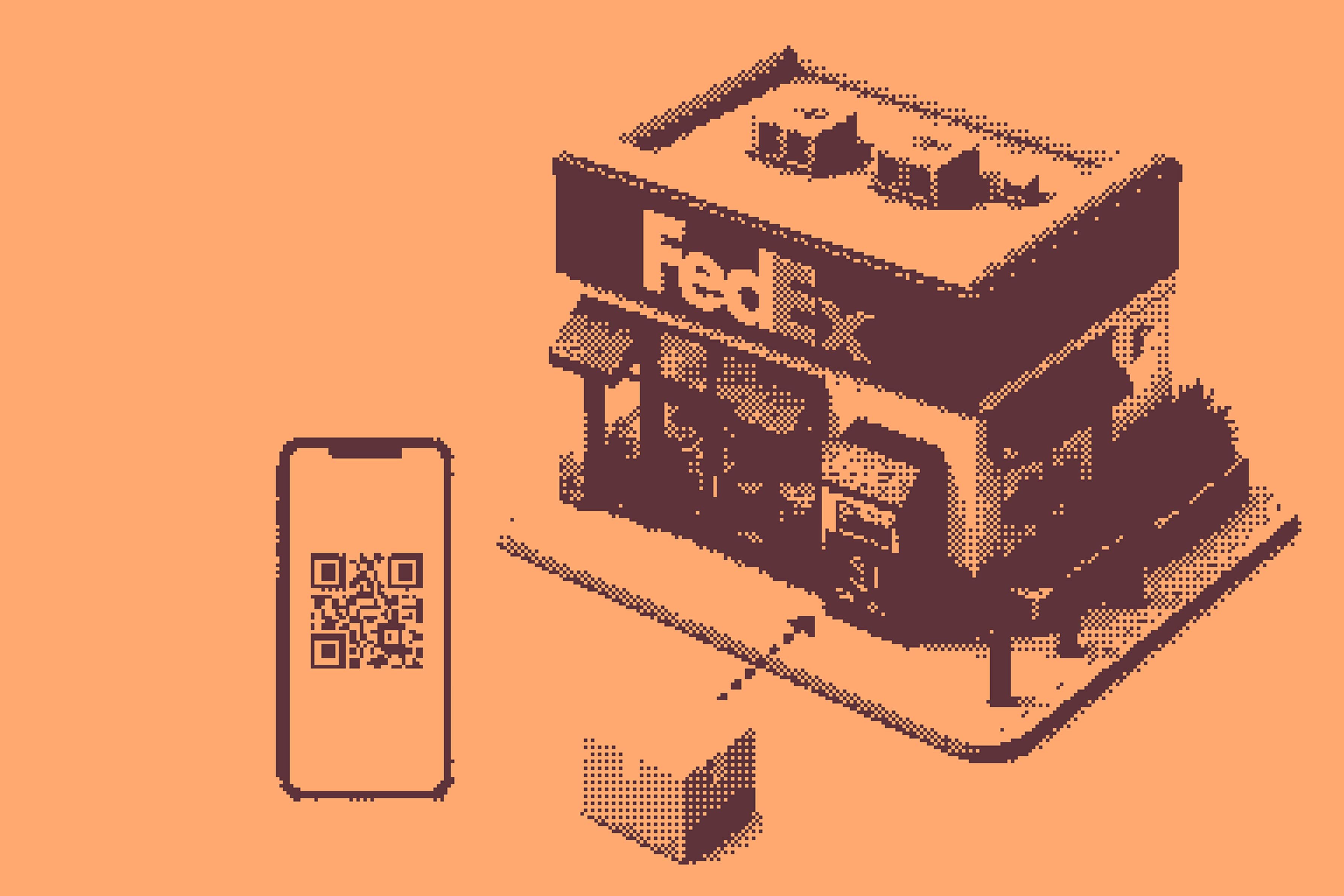
Ship FedEx Without a Printer: QR Code Shipping Is Now Live in Soapbox
FedEx QR Code shipping lets you generate a scannable code instead of a printed label, then drop your package at any of 10,000+ FedEx locations where staff complete the label on the spot. No printer. No label stock. No service fee. Soapbox now supports it across all FedEx U.S. domestic services.
May 14, 2026
What to Know
FedEx QR Code shipping is free and available on all U.S. domestic FedEx services
Accepted at FedEx Office, FedEx Ship Center, and participating Walgreens locations (10,000+ total)
Generate the QR code in Soapbox, drop the package, and staff handle the rest
Every QR shipment tracks end-to-end inside your Soapbox dashboard
Over 2,000 FedEx Office® locations accept box- and label-free returns for seamless drop-offs
Box and label-free returns
Printer Dependency Is a Fulfillment Problem
Why Printer Dependency Is a Fulfillment Problem
Most ops teams don't budget for printer failure. They should.
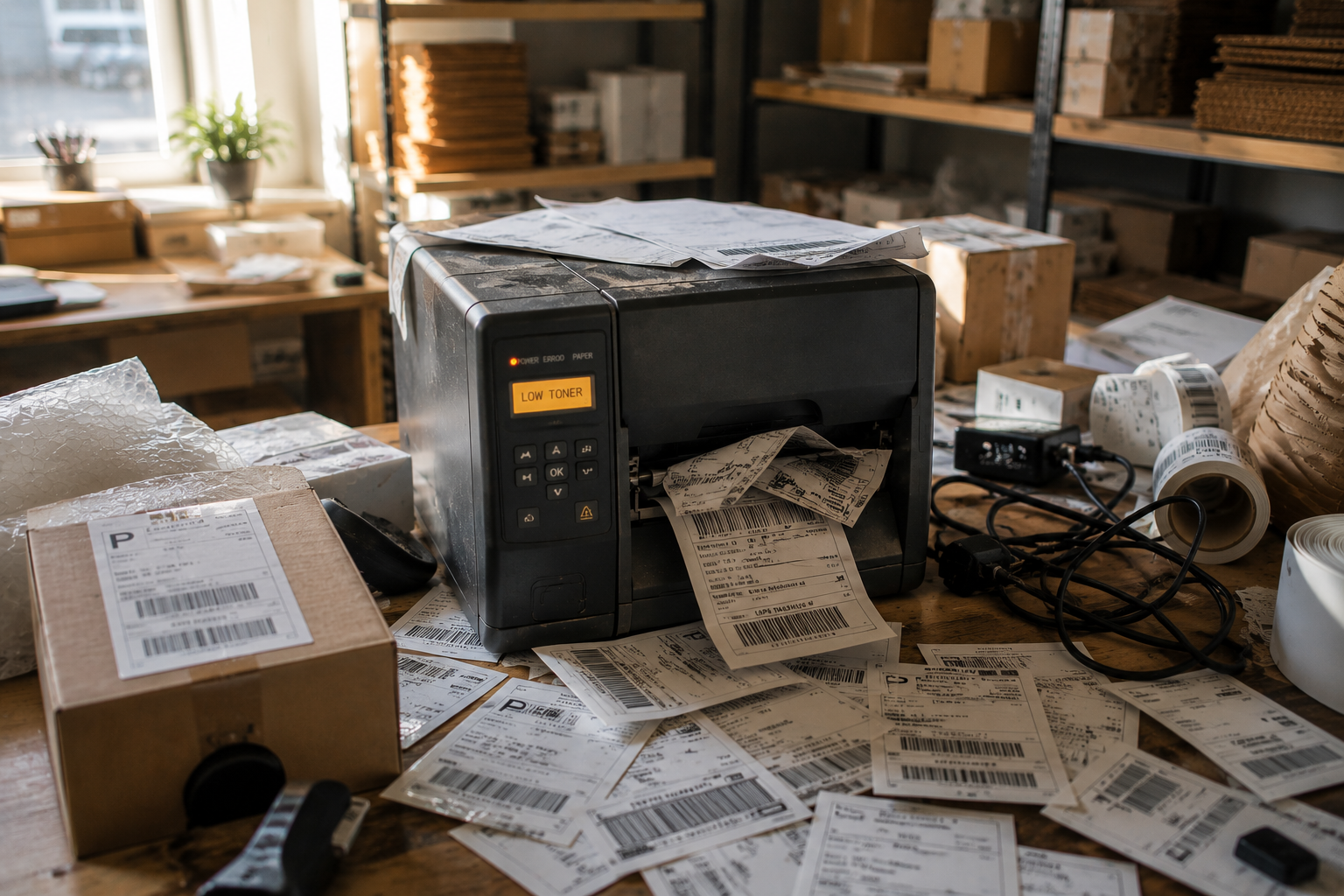
Toner runs out mid-shift. Label stock gets depleted on a Friday. A new store location needs a printer before it can ship a single package. A mobile returns team can't ship without a workstation. These aren't edge cases. They're recurring costs that slow throughput, delay shipments, and compound across every node you operate.
Hardware scales linearly with your network. Every new fulfillment point, pop-up, or returns counter you add creates another equipment dependency. That's capital tied up in infrastructure that exists solely to print a 4x6 sticker.
FedEx QR Code shipping removes that dependency at the point of fulfillment. You generate the code. FedEx locations handle the printing. Your team moves on with their day.
What Is FedEx QR Code Shipping?
FedEx QR Code shipping is a label-free option that replaces the printed label with a scannable code generated at shipment creation. You bring the package and the code to a FedEx QR-enabled location. A staff member scans it, prints the label, and accepts the shipment.
Accepted locations include:
FedEx Office locations nationwide
FedEx Ship Center locations
Participating Walgreens locations
Total coverage: 10,000+ drop-off points across the U.S. The service carries no additional fee and is available across all FedEx U.S. domestic shipping services.
For teams running distributed fulfillment, this matters because the drop-off network is already built. For brands, you're reducing the friction of returns for your customers. You're not asking staff or customers to find a specialty location. You're sending them somewhere they already know.
How FedEx QR Code Shipping Works in Soapbox
The workflow fits into your existing fulfillment process without rebuilding it. Here's how it runs:
1. Create the shipment in Soapbox. Enter your ship-from, ship-to, weight, and dimensions the same way you would for any carrier. Nothing changes upstream.
2. Select FedEx and choose your service. Soapbox surfaces rate options across FedEx domestic services. Filter by SLA, cost, or delivery window.
3. Choose QR Code at label generation. Instead of sending a label to your printer queue, Soapbox generates a QR code.
4. Drop off at a FedEx QR-enabled location. Staff scan the code, print the label, and accept the package. The shipment appears in your Soapbox tracking dashboard from that point forward.
That's the full flow. No new hardware. No integration changes. No separate carrier portal.
How a Peer-to-Peer Rental Company Stopped Losing Shipments to Printer Problems
One Soapbox customer runs a peer-to-peer rental marketplace. Lenders ship items to renters, renters ship them back. The model depends on both sides of that transaction completing reliably.
The problem: lenders aren't warehouse operators. Most don't own label printers. When a rental was booked, lenders had to find a way to print a label before they could ship. Some asked a neighbor or family member for help. Some just didn't ship on time. Every delayed shipment created a customer service issue on the renter side and a trust problem for the platform.
Returns were worse. Renters returning items faced the same friction in reverse, with a tighter deadline.
After enabling FedEx QR Code shipping through Soapbox, the workflow changed entirely. When a rental is booked, the platform generates a QR code through Soapbox and sends it directly to the lender. The lender walks the item into any FedEx Office or participating Walgreens, shows the code, and hands off the package. Same process on return for the renter.
No printer required on either side of the transaction. Fewer delayed shipments. Fewer CX tickets. And because every shipment flows through Soapbox, the ops team has end-to-end visibility across all lender and renter activity in one place, without chasing tracking numbers across separate carrier portals.
It's a clean example of what printer-free shipping unlocks for non-traditional fulfillment models. When your shippers aren't ops professionals, removing hardware requirements isn't a convenience feature. It's a reliability feature.
Operational Use Cases Worth Knowing
The rental example illustrates a broader pattern. Printer-free shipping solves a real problem any time your shippers aren't warehouse staff.
Retail store fulfillment. Store associates handling ship-from-store orders don't need dedicated label printers at every register or back-of-house station. One drop per day.
Mobile and pop-up operations. Events, pop-ups, and seasonal locations are hard to equip with full label printing infrastructure. QR codes make them functional shipping nodes from day one.
Returns counters. Customers bringing back items can use a QR code generated in your returns flow. No box required at 2,000+ FedEx Office locations. That's a meaningful reduction in friction at the point of return, and it takes work off your CX team.
New location onboarding. Opening a new warehouse or DC doesn't have to wait on printer procurement. FedEx QR Code shipping lets that location start shipping while the hardware order is still in transit.
Visibility Doesn't Change
One concern ops teams raise: does a QR-based shipment track the same way as a standard label?
Yes. Every FedEx QR shipment created through Soapbox appears in your tracking dashboard with the same end-to-end visibility you'd get from a printed label. Scan events, transit updates, and delivery confirmation all flow through. Nothing changes from a data standpoint.
If you're running batched shipments or routing across multiple carriers, QR-based FedEx shipments slot into the same pipeline. Standardized data. One view. No reconciliation across separate portals.
Frequently Asked Questions
What is FedEx QR Code shipping?
FedEx QR Code shipping is a label-free drop-off option. Instead of printing a label, you generate a QR code at shipment creation. A staff member at a FedEx-enabled location scans the code and prints the label on your behalf. There is no cost for the service, and it works across all FedEx U.S. domestic shipping options.
Which FedEx locations accept QR Code shipping?
QR codes are accepted at FedEx Office, FedEx Ship Center, and participating Walgreens locations. That covers more than 10,000 drop-off points across the U.S. You can confirm specific locations using the FedEx location finder tool.
Which FedEx services are eligible for QR Code shipping?
All FedEx U.S. domestic services are eligible when shipping through Soapbox. You select your service at rate shopping, then choose QR Code at label generation.
How does FedEx QR Code shipping work for returns?
For returns, customers bring the item and a QR code to a FedEx location. No box and no printed label are required at over 2,000 FedEx Office locations. The QR code is generated in your returns flow and sent directly to the customer.
Does a QR-based shipment track the same way as a printed label?
Yes. FedEx QR shipments created in Soapbox track with full end-to-end visibility, including scan events, transit updates, and delivery confirmation. All data surfaces in your Soapbox dashboard the same way as any printed label shipment.
Is there a fee for FedEx QR Code shipping in Soapbox?
No. FedEx QR Code shipping carries no service fee. You pay the standard rate for the FedEx service you select. The QR code option is just the label generation method.
FedEx QR Code Shipping Is Live. Start Using It.
If your team ships FedEx and you have locations without printers, or locations where printer dependency is slowing you down, QR Code shipping is available in your Soapbox account today.
Log in, create a shipment, and choose QR Code at label generation.

.jpg)