Company Announcements
A Place for Supply Chains to Stand
Introducing the new home of Soapbox at www.onsoapbox.com, and the story behind a name worth knowing.

March 9, 2026

Introducing the new home of Soapbox at www.onsoapbox.com, and the story behind a name worth knowing.
For more than a century, people who wanted to be heard stood on soapboxes.
Literally.
In the late 1800s, wooden crates used to ship soap were common, sturdy, and everywhere. Turn one upside down, step up, and suddenly your voice carried farther. The crowd could see you. Your ideas had a place to stand.
Over time, "getting on your soapbox" came to mean speaking clearly about something that matters, with the confidence that what you had to say deserved to be heard.
It started as a supply chain artifact. It became a symbol of clarity.
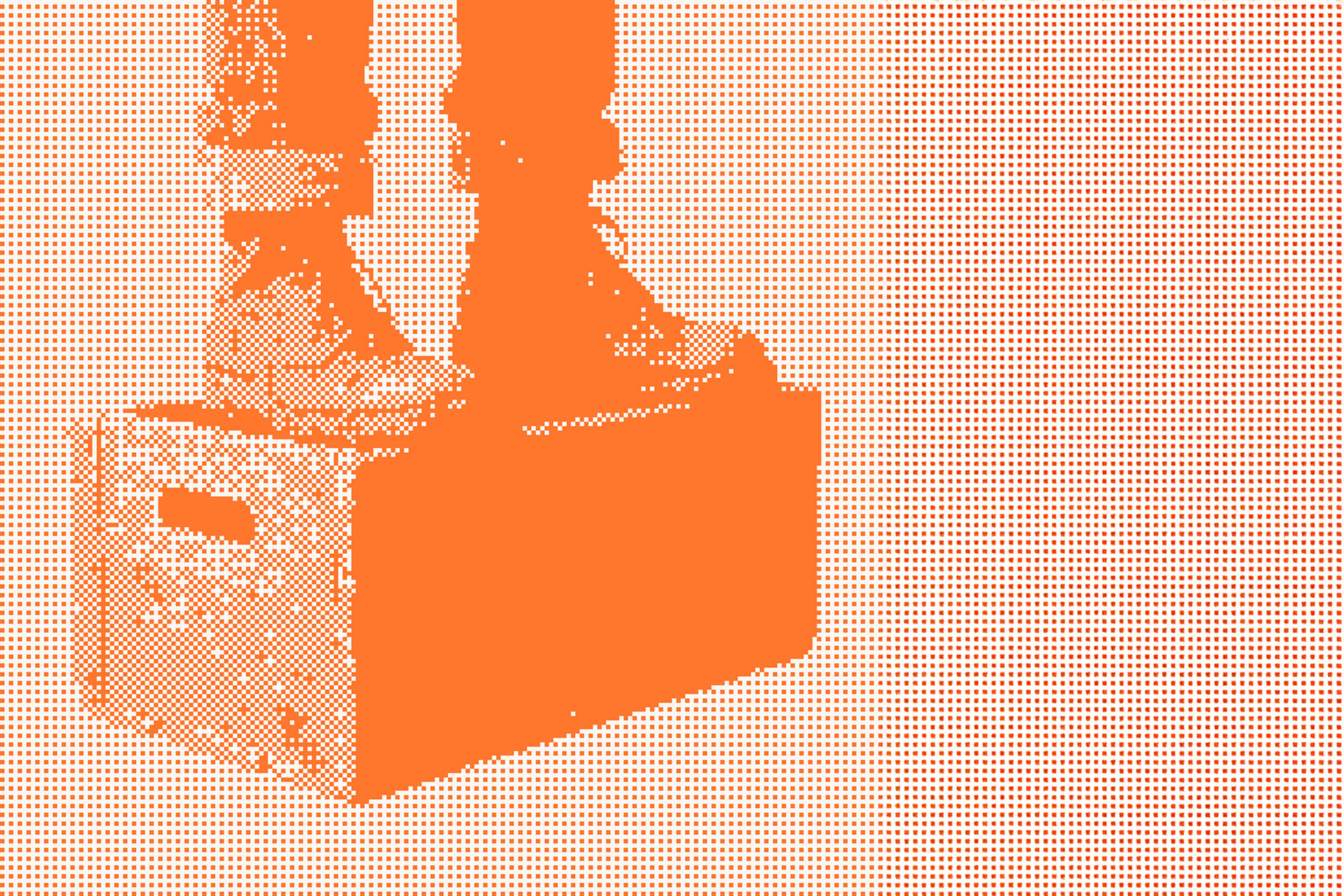
Soapboxes began as simple shipping containers, moving products through warehouses, rail yards, and storefronts. Long before they became a stage for public speeches, they were part of the logistics system that kept goods flowing.
We named this platform Soapbox for exactly that reason. The word lives at the intersection of physical logistics and the act of speaking clearly. That is not a coincidence. That is the whole idea.
Modern supply chains are far more advanced than wooden crates. But they face a strikingly similar challenge: the signal is there, it just has nowhere clear to stand.
Operations data lives in too many places. Orders in one system, inventory in another, shipping somewhere else, reporting stitched together afterward. The result is plenty of activity, but not always enough clarity.
According to McKinsey's 2025 Supply Chain Risk Pulse survey of 100 global supply chain leaders, 95% of companies have visibility into their tier-one supplier risks, but that visibility extends to tier two or beyond for only 42% of them.
The signal exists. It just has no clear place to stand.
Soapbox is a platform built for operations teams who need to manage orders, track inventory, coordinate warehouse activity, and orchestrate shipping, without toggling between five different tools to do it.
The environment makes this more urgent than ever. That same McKinsey survey found that the share of companies planning major digital supply chain investments has dropped from 47% to 25% in a single year, as teams get pulled toward tactical firefighting instead of structural improvement. Soapbox exists for exactly that tension.
The companies using Soapbox today range from high-growth ecommerce brands like Knockaround to established CPG and retail operators like Dairy Farmers of America. What they share is a need for operational clarity. They need to know what is coming in, what is going out, where things are, and what needs attention right now.
Orders flow from storefronts and ERPs into a shared operational view. Inventory stays visible across warehouses. Fulfillment and shipping decisions can be made with the full picture in mind.
Soapbox connects those data points across systems so that operations leaders can make better decisions, faster. Not by replacing every tool they already use, but by giving those tools a shared stage.
***
"Everyone is asking how AI will transform supply chain. The more important question is what AI will have to work with. Right now, most supply chains are too fragmented to support the decisions humans are already trying to make, let alone autonomous systems. Soapbox is solving that layer first. Unified, real-time operational data is not a nice-to-have. It is the infrastructure everything else gets built on."
Laura Lakhwara, VP of Growth, Soapbox
***
Your supply chain has something to say. The data is there. The signal is real. It just needs somewhere to stand.
That is the idea behind the campaign we are building around our new home at onsoapbox.com.
.png)
OMS on Soapbox.
WMS on Soapbox.
TMS on Soapbox.
Your orders on Soapbox.
Your shipments on Soapbox.
Your supply chain on Soapbox.
The platform does not need to own every system. It needs to connect them. When that connection exists, teams spend less time reconciling data and more time running the business.
That is what the original soapbox did, too. It did not create the voice. It just gave it somewhere to stand.
The companies that win the next decade of supply chain will not be the ones with the most tools. They will be the ones with the clearest picture.
.jpg)